

It is time for Q1 Performance check-in sessions when you sit with your direct reports, to evaluate their performance over the first quarter (Q1), and discuss priorities to focus on in the new quarter (Q2). Both reviews are dependent on employees having concrete and measurable goals.
If you have completed the goal setting for 2023 with your direct reports, you already have a good starting point for quarterly reviews. If not, it is a good idea to complete it this week.
Getting Started
If you are new to employee goal setting, we recommend starting things off at a team meeting. During this meeting, managers should discuss the company goals with their direct reports and how they connect to these goals in their day-to-day activities.
Next, have a one-on-one meeting with each employee to discuss their unique skills and the role they play in achieving company goals. To accomplish this task, you need to help your direct reports set SMART goals.
Set SMART Goals for your Direct Report
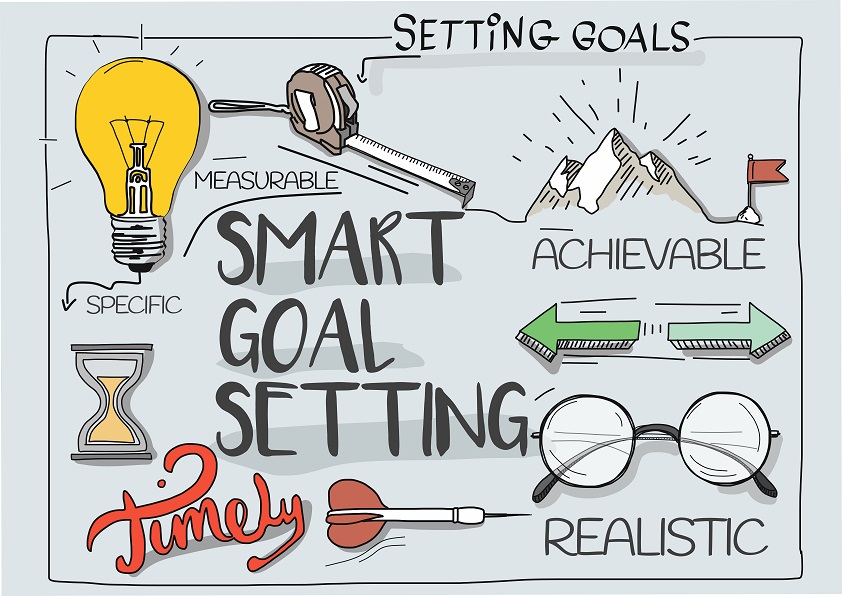
Utilize the concept of SMART goals in the goal-setting process; this method ensures that the employee and manager both understand the goal by creating a goal that is specific, measurable, attainable, relevant, and timely.
Specific
Goals should be clear and specific, otherwise, employees will not be able to focus their efforts or feel truly motivated to achieve them. When drafting goals, employees, and managers should try to answer the five “W” questions:
- What does the employee want to accomplish?
- Why is this goal important?
- Who is involved?
- Where is it located?
- Which resources or limits are involved?
Measurable
What are the measurable goals and how do you pick them? For starters, measurable goals define objective units that you can count. This allows employees to track their progress. Assessing progress helps them stay focused, meet deadlines, and feel the excitement of getting closer to achieving their goals. A measurable goal should address questions such as:
- How will the employee know when it is accomplished?
Attainable/Achievable
It is a good thing to aim high. But if you aim so high that the goal is impossible to meet, then you are setting yourself and your employees up for failure. A goal that will take a lot of hard work to achieve is great. Just be sure that it does not also depend on luck, excessive hours, or an unlikely set of circumstances. The goal should stretch the abilities of the employees but remain possible to achieve. An achievable goal will usually answer questions such as:
- How can the employee accomplish this goal?
- How realistic is the goal, based on other constraints, such as financial factors?
Relevant
This step is about ensuring that the goals set aligns with other relevant goals the employee is working on. We all need support and assistance in achieving our goals, but it is important to retain control over them. So, make sure that the employee’s plans/goals bring accolades to the team/department, but that they are still responsible for achieving their goals. A relevant goal can answer “yes” to these questions:
- Does this seem worthwhile?
- Is this the right time?
- Does this match our other efforts/needs?
- Is the employee the right person to work on this goal?
Time-Bound
Every goal needs a target date so that employees have a deadline to focus on and something to work toward. This part of the SMART goal criteria helps to prevent everyday tasks from taking priority over longer-term goals. A time-bound goal will usually answer these questions:
- When?
- What can I do six months from now?
- What can I do six weeks from now?
- What can I do today?
Employee goal setting is an integral part of any manager’s job. Start today by planning your first goal-setting team meeting. Your employees will feel confident and energized knowing that their manager cares about their career success, and this will motivate your team to work towards company-wide goals.